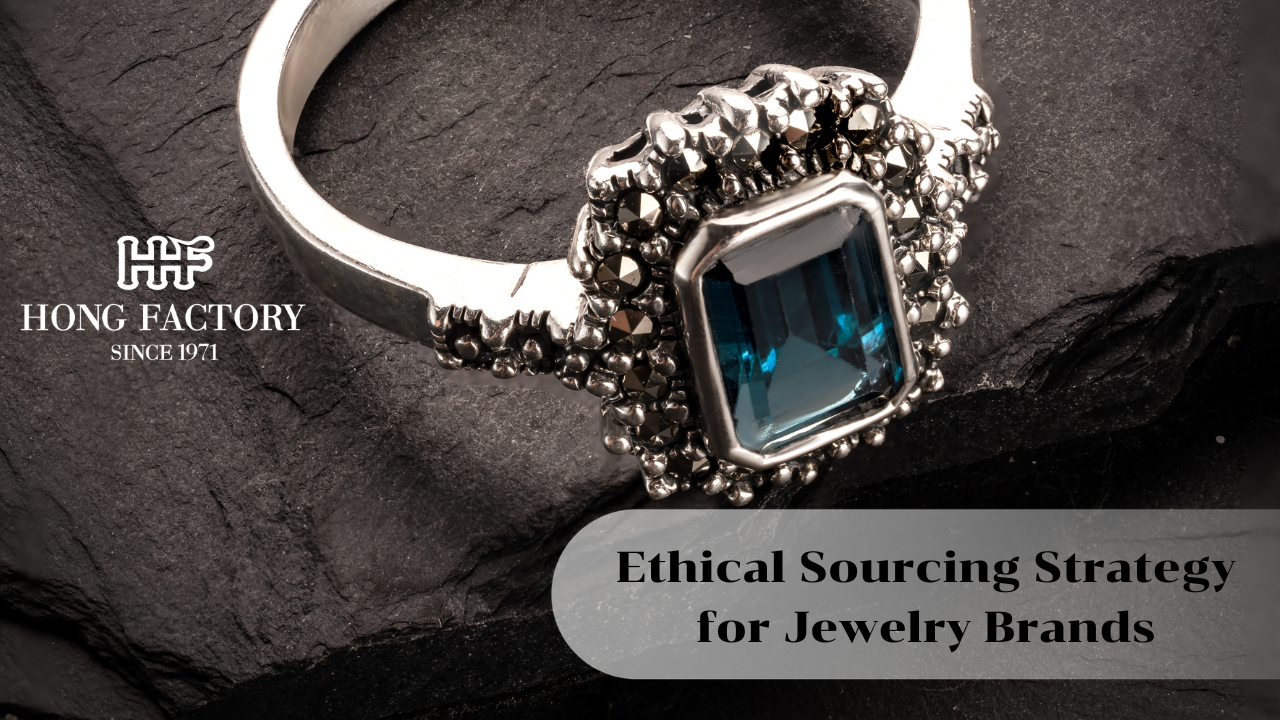
Ethical Sourcing Strategy for Jewelry Brands
Ethical sourcing is a cornerstone of trust and transparency in the modern jewelry industry. In the marcasite jewelry niche—where materials, labor practices, and supply chain integrity directly influence brand perception—an authentic ethical sourcing strategy for jewelry brands demonstrates responsibility while strengthening long-term credibility. Ethical sourcing is not only a compliance requirement but also a meaningful brand value. Is sterling silver real
This article explains how marcasite jewelry brands can design, communicate, and scale ethical sourcing strategies that align with customer expectations, industry standards, and sustainable growth.
Why Ethical Sourcing Matters for Jewelry Brands

Ethical practices build confidence.
Key Benefits of Ethical Sourcing
- Increased consumer trust and loyalty
- Reduced reputational and compliance risk
- Stronger relationships with suppliers and partners
- Alignment with sustainability and ESG goals
For jewelry brands, ethical sourcing protects both people and brand equity.
Understanding Ethical Sourcing in the Jewelry Industry
Ethical sourcing extends beyond materials.
Core Elements of Ethical Sourcing
- Responsible mining and material procurement
- Fair labor practices and safe working conditions
- Supply chain transparency and traceability
- Compliance with international standards
A holistic approach ensures credibility.
Defining Ethical Sourcing Goals
Clear goals guide implementation.
Common Ethical Sourcing Objectives
- Eliminate conflict materials
- Improve supplier transparency
- Support fair wages and artisan welfare
- Ensure regulatory compliance
Defined objectives prevent superficial efforts.
Responsible Silver and Marcasite Sourcing
Materials shape trust.
Responsible Material Sourcing Practices
- Verified silver suppliers with ethical standards
- Transparent sourcing of marcasite stones
- Documentation of origin and handling
Material transparency reinforces brand integrity.
Supplier Selection and Due Diligence
Partners define ethical standards.
Supplier Evaluation Criteria
- Labor and safety compliance
- Environmental responsibility
- Long-term reliability and accountability
Careful selection reduces ethical risk.
Supply Chain Transparency and Traceability
Transparency builds credibility.
Traceability Best Practices
- Mapping the supply chain
- Maintaining sourcing documentation
- Regular audits and assessments
Traceability supports accountability.
Ethical Sourcing for Artisans and Craftsmanship
People are at the heart of jewelry.
Ethical Craftsmanship Principles
- Fair compensation and safe workplaces
- Preservation of traditional skills
- Long-term artisan partnerships
Ethical treatment strengthens craftsmanship quality.
Ethical Sourcing for Wholesale and B2B Jewelry
B2B partners demand transparency.
B2B Ethical Sourcing Expectations
- Clear documentation and certifications
- Consistent compliance reporting
- Open communication with partners
Transparency supports wholesale trust.
Certifications and Standards in Ethical Sourcing
Verification strengthens claims.
Common Ethical Sourcing Standards
- Responsible Jewellery Council (RJC)
- Fair labor and environmental audits
- Conflict-free sourcing declarations
Third-party validation increases confidence.
Communicating Ethical Sourcing to Customers
Communication must be honest.
Ethical Sourcing Communication Tips
- Share specific practices and progress
- Avoid vague or absolute claims
- Use clear, accessible language
Honest communication prevents greenwashing.
Integrating Ethical Sourcing into Brand Storytelling
Ethics enhance brand narrative.
Storytelling Applications
- Supplier and artisan stories
- Behind-the-scenes sourcing content
- Educational materials on materials and origins
Stories humanize ethical efforts.
Ethical Sourcing and Risk Management

Ethics reduce long-term risk.
Risk Management Strategies
- Supplier monitoring and audits
- Contingency planning for sourcing disruptions
- Clear escalation procedures
Preparedness protects brand continuity.
Measuring Ethical Sourcing Performance
Measurement ensures accountability.
Key Ethical Sourcing Metrics
- Supplier compliance rates
- Audit findings and improvements
- Customer trust and sentiment indicators
Metrics guide improvement.
Avoiding Common Ethical Sourcing Mistakes
Mistakes undermine trust.
Mistakes to Avoid
- Making unverified claims
- Ignoring supply chain visibility
- Treating ethics as a one-time initiative
Consistency is essential.
Aligning Ethical Sourcing with Brand Identity
Ethics should feel authentic.
Brand Alignment Practices
- Integrate ethics into brand values
- Reflect sourcing commitments across channels
- Ensure internal alignment between teams
Alignment reinforces credibility.
Scaling Ethical Sourcing Over Time
Growth requires commitment.
Scaling Strategies
- Gradual supplier improvements
- Expanding transparency initiatives
- Regular public updates on progress
Long-term commitment builds trust.
Long-Term Value of Ethical Sourcing for Jewelry Brands
Ethical sourcing compounds trust.
Strategic Benefits
- Stronger brand reputation
- Improved customer loyalty
- Reduced operational and reputational risk
Ethical sourcing becomes a competitive advantage.
Conclusion
A strategic ethical sourcing approach for jewelry brands enables marcasite jewelry businesses to protect people, materials, and brand integrity. By prioritizing transparency, fair labor practices, responsible material sourcing, and honest communication, brands can build lasting trust with customers and partners alike. In a trust-driven industry, ethical sourcing is not optional—it is a foundational pillar of sustainable success.