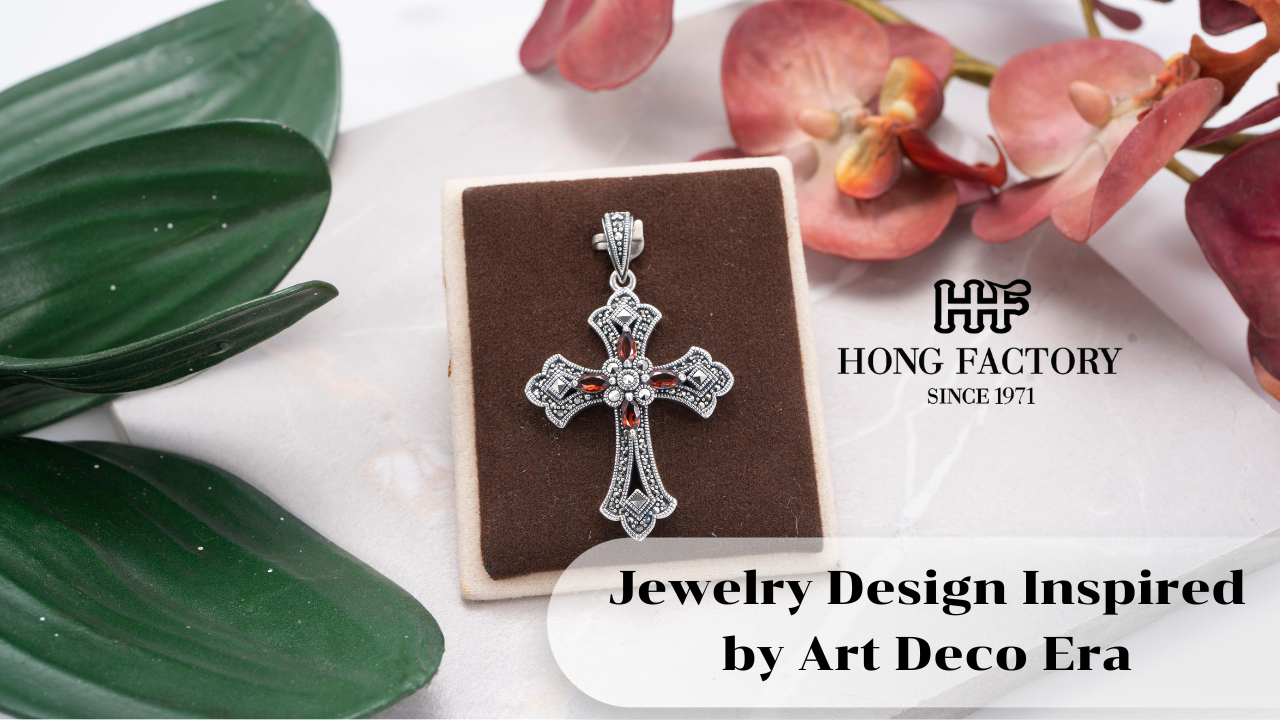
Jewelry Design Inspired by Art Deco Era
Art Deco jewelry design remains one of the most influential and recognizable styles in the history of fine jewelry. Emerging in the early 20th century, the Art Deco era introduced bold geometry, symmetry, and modernity—elements that continue to inspire contemporary silver and marcasite jewelry brands today. For designers seeking timeless elegance with strong visual identity, Art Deco offers a perfect balance of structure and sophistication. Is sterling silver real
This article explores jewelry design inspired by the Art Deco era, explaining its defining characteristics, materials, motifs, and how modern brands can reinterpret this iconic style for today’s consumers.
Understanding the Art Deco Era in Jewelry
Art Deco represents progress, confidence, and innovation.
The Art Deco movement flourished between the 1920s and 1930s, reflecting social change, industrial growth, and a fascination with modern life. Jewelry from this period moved away from soft, organic forms and embraced precision and architectural beauty.
Key influences of Art Deco include:
- Industrial and architectural design
- Advances in manufacturing techniques
- Cultural inspiration from Egypt, Asia, and Africa
- A shift toward modern fashion and lifestyle
These influences shaped a bold new jewelry aesthetic.
Core Characteristics of Art Deco Jewelry Design
Art Deco jewelry is instantly recognizable.
Strong Geometry and Symmetry
Art Deco designs rely heavily on:
- Straight lines and sharp angles
- Repeating geometric patterns
- Balanced, symmetrical compositions
These elements create a sense of order and elegance.
Bold Yet Refined Aesthetic
Despite its boldness, Art Deco jewelry remains refined. Designs feel intentional and structured rather than ornate or excessive.
Common Art Deco Motifs in Jewelry
Motifs define the visual language of Art Deco.
Popular Shapes and Patterns
Art Deco jewelry often features:
- Rectangles, squares, and trapezoids
- Sunbursts and fan shapes
- Chevron and zigzag patterns
These motifs translate beautifully into silver and marcasite designs.
Materials Used in Art Deco–Inspired Jewelry
Material selection is essential.
Sterling Silver and Marcasite
Silver provides the perfect foundation for Art Deco jewelry due to its:
- Clean, cool tone
- Ability to highlight sharp lines
- Compatibility with marcasite’s subtle sparkle
Marcasite was widely used in original Art Deco jewelry and remains ideal for recreating its texture and depth.
Contrasting Stones and Materials
Art Deco designs often incorporate:
- Onyx for strong black contrast
- Mother of pearl for softness
- Colored stones like garnet or blue topaz for accent
Contrast enhances visual impact.
Designing Art Deco Rings
Rings are central to Art Deco expression.
Signature Ring Elements
Art Deco–inspired rings often include:
- Elongated shapes
- Step-like structures
- Central geometric focal points
Marcasite is commonly used to outline shapes and add depth.
Art Deco Earrings and Necklaces
Verticality and symmetry dominate.
Earrings
Art Deco earrings typically feature:
- Drop or chandelier styles
- Tiered geometric sections
- Repeating patterns for movement
Necklaces and Pendants
Popular Art Deco necklace styles include:
- Rectangular pendants
- Fan-shaped centerpieces
- Symmetrical collar designs
These pieces feel dramatic yet controlled.
Modern Interpretation of Art Deco Jewelry
Modern brands reinterpret Art Deco thoughtfully.
Simplified Geometry
To suit modern lifestyles, designers often:
- Reduce excessive detailing
- Use cleaner, bolder outlines
- Focus on wearability
This keeps designs elegant without feeling heavy.
Lightweight Construction
Modern techniques allow Art Deco jewelry to feel lighter and more comfortable than vintage originals, improving everyday wear potential.
Art Deco Jewelry for Everyday vs Statement Wear
Art Deco designs can be versatile.
Everyday Art Deco Jewelry
Simplified designs include:
- Small geometric studs
- Slim rings with marcasite accents
- Minimalist pendants
Statement Art Deco Pieces
For bold looks:
- Oversized rings
- Dramatic earrings
- Wide bracelets and cuffs
Both categories can coexist within a collection.
Art Deco Influence on Brand Identity
Art Deco creates a strong brand signature.
Brands using Art Deco inspiration often communicate:
- Confidence and sophistication
- Precision and craftsmanship
- Vintage heritage with modern relevance
This style is especially effective for marcasite and silver jewelry brands.
Art Deco Jewelry in Wholesale and Retail
Art Deco styles perform well commercially.
Retailers appreciate Art Deco jewelry because it:
- Has clear visual identity
- Appeals to vintage and modern buyers alike
- Photographs well for displays and online listings
Wholesale collections often include Art Deco-inspired hero pieces.
Pricing Strategy for Art Deco–Inspired Jewelry
Art Deco supports premium positioning.
Pricing should reflect:
- Design complexity
- Craftsmanship precision
- Historical inspiration
Well-executed Art Deco jewelry often commands higher perceived value.
Avoiding Common Art Deco Design Mistakes
Misinterpretation weakens impact.
Mistakes to Avoid
- Overcrowding designs with too many elements
- Ignoring symmetry and proportion
- Using overly soft or organic shapes
Art Deco requires discipline and precision.
The Enduring Appeal of Art Deco Jewelry
Art Deco remains timeless.
Its structured beauty, bold confidence, and architectural clarity continue to resonate across generations. For silver and marcasite jewelry brands, Art Deco inspiration offers a proven path to creating distinctive, elegant, and commercially successful designs.
Conclusion
Jewelry design inspired by the Art Deco era combines historical elegance with modern strength. Through geometric precision, symmetrical balance, and thoughtful material choices, Art Deco–inspired silver and marcasite jewelry continues to captivate modern consumers. When interpreted with restraint and craftsmanship, this iconic style becomes more than a trend—it becomes a timeless expression of sophistication and design confidence.