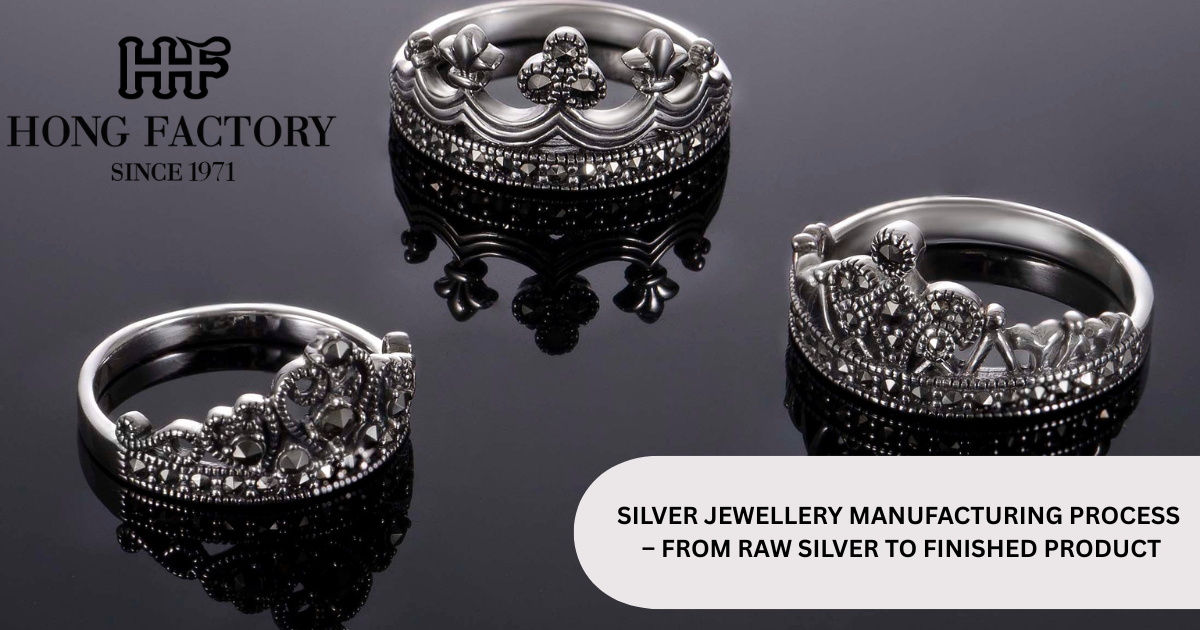
SILVER JEWELLERY MANUFACTURING PROCESS – FROM RAW SILVER TO FINISHED PRODUCT
Introduction to Silver Jewellery Manufacturing Process
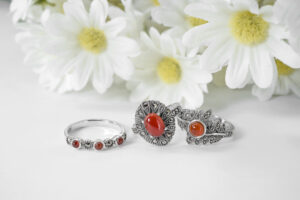
Understanding the Silver Jewellery Manufacturing Process helps retailers, wholesalers, and private label brands evaluate product quality and supplier capability. Knowing How Sterling Silver Jewellery Is Made provides insight into craftsmanship, cost structure, and production timelines.
A complete 925 Silver Production Guide explains each step, from raw material sourcing to final polishing and packaging. Businesses that understand manufacturing fundamentals can negotiate better, reduce defects, and protect profit margins.
For SEO-focused websites and Private Blog Network (PBN) strategies, manufacturing-related keywords attract B2B buyers and entrepreneurs researching suppliers.
This article explores raw material preparation, casting, stone setting, finishing, quality control, and the most convenient SEO framework for scalable PBN growth.
Step 1: Raw Silver Material Preparation
The Silver Jewellery Manufacturing Process begins with raw silver.
Sterling silver consists of:
- 92.5% pure silver
- 7.5% alloy (commonly copper)
The alloy improves durability and hardness.
Silver is melted at high temperature and prepared into usable form such as granules or sheets.
A clear 925 Silver Production Guide always starts with purity verification.
Step 2: Design and CAD Development
Before production begins, design must be finalized.
Modern factories use:
- CAD (Computer-Aided Design) software
- 3D modeling systems
- Digital render previews
CAD improves precision and reduces material waste.
Understanding How Sterling Silver Jewellery Is Made includes recognizing the importance of digital design accuracy.
Step 3: Wax Model Creation and Casting
Casting is a core stage in the Silver Jewellery Manufacturing Process.
Procedure includes:
- Creating wax model using mold or 3D printing
- Assembling wax trees for batch casting
- Investing wax models in plaster
- Burning out wax in kiln
- Pouring molten silver into mold
Once cooled, plaster is removed and raw silver pieces are separated.
Casting quality determines structural strength.
Step 4: Filing and Assembly
After casting, pieces require refinement.
Tasks include:
- Removing excess metal
- Filing rough edges
- Soldering separate components
- Assembling chains and clasps
This stage improves shape accuracy.
A detailed 925 Silver Production Guide emphasizes careful assembly to prevent weak joints.
Step 5: Stone Setting (If Applicable)
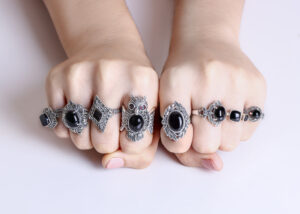
For gemstone pieces, stone setting follows assembly.
Common techniques include:
- Prong setting
- Bezel setting
- Pavé setting
- Channel setting
Secure setting ensures durability and reduces return rates.
How Sterling Silver Jewellery Is Made often determines final product value.
Step 6: Polishing and Surface Finishing
Surface finishing defines aesthetic quality.
Popular finishes include:
- High polish shine
- Matte brushed texture
- Oxidized antique effect
- Hammered detailing
Polishing removes scratches and enhances brilliance.
This stage is critical in the Silver Jewellery Manufacturing Process.
Step 7: Hallmarking and Quality Inspection
Quality control ensures standard compliance.
Inspection includes:
- 925 hallmark stamping
- Weight verification
- Clasp durability test
- Surface inspection
- Stone security check
A professional 925 Silver Production Guide always includes multi-stage inspection.
Consistent quality builds brand trust.
Step 8: Cleaning and Packaging
Before shipment, jewellery is cleaned and prepared.
Steps include:
- Ultrasonic cleaning
- Final polishing wipe
- Protective wrapping
- Branded packaging insertion
Presentation impacts perceived value.
Proper packaging protects products during shipping.
Cost Factors in Silver Jewellery Manufacturing Process
Production cost depends on:
- Silver weight
- Design complexity
- Labor skill level
- Stone inclusion
- Finishing technique
Understanding How Sterling Silver Jewellery Is Made helps businesses evaluate fair pricing.
Knowledge improves supplier negotiation.
Technology Advancements in 925 Silver Production Guide
Modern manufacturing integrates technology.
Innovations include:
- 3D printing prototypes
- Automated polishing machines
- Laser engraving systems
- AI production planning
Technology improves efficiency and consistency.
Factories using modern systems often achieve lower defect rates.
Risk Factors in Manufacturing
Businesses should monitor:
- Silver price volatility
- Production delays
- Inconsistent alloy mixture
- Weak solder joints
Supplier audits reduce manufacturing risk.
Long-term partnerships strengthen reliability.
SEO Structure for Manufacturing-Focused Articles
The most convenient PBN workflow includes:
- Strong H1 using the primary keyword.
- H2 sections covering each production step.
- Natural repetition of three core keywords.
- Internal links to supplier, wholesale, and pricing cluster posts.
- Clear and educational tone.
Avoid keyword stuffing. Focus on technical clarity.
Building Authority Around How Sterling Silver Jewellery Is Made Content
To strengthen niche authority, publish supporting cluster articles such as:
- Complete 925 silver production guide for beginners
- Silver jewellery manufacturing process step by step
- Quality control checklist for sterling silver jewellery
- Casting techniques in silver jewellery production
Publishing 40–60 related posts builds strong semantic depth.
Search engines reward comprehensive industry coverage.
Evergreen Value of Silver Jewellery Manufacturing Process Content
Manufacturing knowledge remains permanently relevant.
Evergreen topics include:
- Silver jewellery manufacturing process explained
- How sterling silver jewellery is made professionally
- 925 silver production guide for wholesale buyers
These subjects generate stable long-term organic traffic.
The Most Convenient Method for PBN / SEO Execution
To scale efficiently:
- Choose one primary keyword (Silver Jewellery Manufacturing Process).
- Add two supporting keywords (How Sterling Silver Jewellery Is Made, 925 Silver Production Guide).
- Write approximately 1,000–1,200 words.
- Maintain consistent H1 and H2 formatting.
- Interlink with related silver jewellery cluster posts.
- Publish consistently.
Structured topic clustering builds strong long-term SEO authority.
Conclusion
The Silver Jewellery Manufacturing Process determines quality, cost efficiency, and product durability. By understanding How Sterling Silver Jewellery Is Made and following a structured 925 Silver Production Guide, businesses can evaluate suppliers more effectively and protect profitability.
Targeting Silver Jewellery Manufacturing Process, How Sterling Silver Jewellery Is Made, and 925 Silver Production Guide together creates strong semantic SEO depth.
With consistent publishing, structured formatting, and strategic internal linking, manufacturing-focused silver jewellery content can generate sustainable organic traffic and long-term business authority.