The Role of Craftsmanship in Preserving the Legacy of Marcasite Jewelry
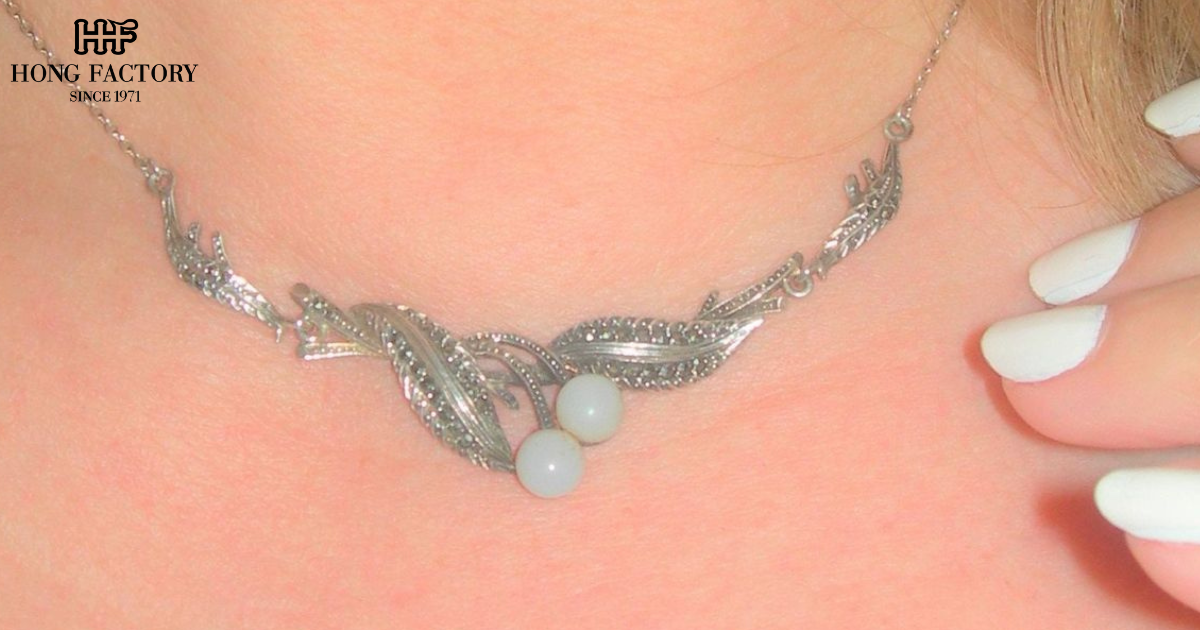
Marcasite jewelry has captivated wearers for centuries with its subtle sparkle, vintage charm, and deeply artistic craftsmanship. Unlike mass-produced fashion accessories, authentic marcasite jewelry relies on meticulous hand-setting, precise detailing, and skilled artistry. These traditional techniques not only enhance the beauty of each piece but also preserve the cultural and historical legacy of this timeless jewelry style.
This chapter explores the importance of craftsmanship in marcasite jewelry, how artisans preserve traditional techniques, and how modern craftsmanship continues shaping the industry.
Why Craftsmanship Matters in Marcasite Jewelry
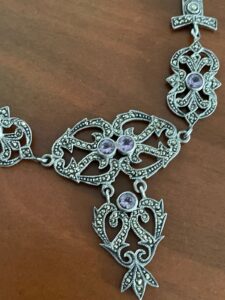
Craftsmanship determines both the quality and emotional value of marcasite jewelry.
Key reasons craftsmanship is essential:
- Marcasite stones are small and delicate, requiring precise hand-setting
- Traditional patterns and motifs rely on detailed metalwork
- Collectors value artistry more than machine production
- Handcrafted jewelry lasts longer and retains value better
- Craftsmanship preserves cultural identity and heritage
The legacy of marcasite jewelry lives through the skills and dedication of artisans.
1. Hand-Setting Techniques: The Heart of Marcasite Craftsmanship
Unlike many gemstones, marcasite cannot be glued reliably. Skilled artisans use hand-setting techniques to secure each stone.
Common techniques include:
1. Bead Setting
Small beads of silver are raised from the metal to hold the marcasites.
2. Prong Setting
Tiny, delicate prongs are used to secure larger marquesite stones.
3. Pavé Setting
Multiple marcasites are placed close together to create a shimmering, textured surface.
Each stone is positioned by hand, making the process labor-intensive but incredibly beautiful.
2. Silverwork and Metal Carving
Sterling silver (925) is the preferred base for marcasite settings.
Essential silverwork skills include:
- Engraving patterns
- Shaping filigree details
- Sculpting geometric and floral motifs
- Oxidizing silver to enhance contrast
These metalwork techniques elevate marcasite pieces from simple accessories to wearable art.
3. The Role of Artisan Communities
Certain regions are renowned for their marcasite craftsmanship.
Thailand
Globally recognized as the leading producer of hand-set marcasite jewelry.
- Artisans train for years
- Generational craftsmanship
- High-quality export standards
Germany
Famous for precision stone cutting.
- High clarity marcasite
- Uniform shape and sparkle
Turkey & India
Emerging hubs combining cultural motifs with skilled silver artistry.
These artisan communities preserve the legacy of hand-crafted marcasite jewelry.
4. Traditional Motifs That Depend on Craftsmanship
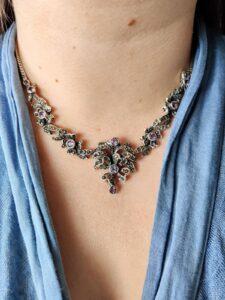
Many marcasite designs are rooted in historical patterns.
Popular motifs:
- Art Deco geometric lines
- Victorian floral curves
- Celtic knots
- Thai lotus flowers
- Turkish evil eye protection symbols
These motifs require precision and artistic understanding, making craftsmanship essential.
5. Challenges Faced by Marcasite Artisans
Creating marcasite jewelry is highly specialized.
Common challenges include:
- Stones are brittle and can chip easily
- Each piece requires manual labor
- Modern mass production competes with handcrafted work
- Younger generations are shifting away from artisanal careers
Brands must support artisans to preserve quality and tradition.
6. Modern Innovations Supporting Craftsmanship
While craftsmanship remains traditional, modern tools enhance accuracy.
Innovations include:
- CAD design for prototype development
- Laser engraving for fine details
- Improved polishing techniques
- AI-assisted pattern creation
However, the hand-setting of marcasite stones remains irreplaceable by machines.
7. Craftsmanship as a Branding Advantage
Consumers appreciate authentic craftsmanship.
Craftsmanship-based branding highlights:
- Handmade quality
- Ethical and sustainable production
- Unique, non-mass-produced pieces
- Cultural storytelling
Brands that emphasize craftsmanship create deeper emotional connections with customers.
8. Why Collectors Value Artisan-Made Marcasite Jewelry
Collectors seek jewelry with historical significance and artistic integrity.
What they value:
- Rare hand-set patterns
- Authentic vintage reproductions
- Antique-inspired motifs
- Consistent craftsmanship quality
Handcrafted pieces often appreciate in value.
9. The Future of Marcasite Craftsmanship
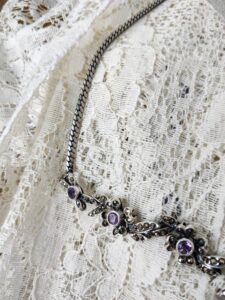
Despite technological advancement, craftsmanship remains the core of marcasite jewelry.
Expected future directions:
- Revival of antique setting techniques
- Global recognition of artisan communities
- Increased demand for handmade jewelry
- Sustainable artisanal production
Craftsmanship ensures marcasite jewelry remains timeless in both fashion and heritage.
Conclusion
Craftsmanship is the foundation of marcasite jewelry’s enduring beauty and cultural significance. Every hand-set stone, engraved detail, and carefully shaped design reflects the dedication of artisans who preserve this centuries-old tradition. As global appreciation for handcrafted jewelry grows, marcasite’s legacy—rooted in craftsmanship—will continue to shine brightly for future generations.
In the next chapter, we will explore the evolution of marcasite jewelry design motifs, tracing how cultural influences and artistic movements shaped the styles we admire today.